[Image: Unplash]
Fitness trackers have never been more capable, but they've also never been more expensive. A basic tracker can cost under $50, while premium wearables now push well past $300. That raises an obvious question: when comparing budget vs premium fitness trackers, are you actually getting more value, or just paying for a nicer screen and a bigger brand name?
To find out, we compared three popular approaches to fitness tracking:
Omni Band 2.0: the health-focused specialist
Fitbit Charge 6: the premium mainstream choice
Xiaomi Smart Band 9: the budget king
Budget vs Premium Fitness Trackers at a Glance
Feature | Omni Band 2.0 | Fitbit Charge 6 | Xiaomi Smart Band 9 |
|---|---|---|---|
Price | Starting at $99.00 | Around $159.95 | $39.99-$49.99 |
Heart Rate Monitoring | Advanced continuous tracking | Excellent | Good |
HRV Tracking | Excellent | Very Good | Basic |
Sleep Analysis | Advanced | Detailed | Basic |
ECG Support | No | Yes | No |
Battery Life | Up to 30 days | Up to 7 days | Up to 21 days |
Subscription Required | No | Some features benefit from Fitbit Premium | No |
Best For | Health optimization | Fitness enthusiasts | Casual users |
What You Actually Get When You Spend More
Premium fitness trackers typically promise three things:
Better sensors
More detailed health insights
A more polished user experience
The problem is that not every premium tracker delivers enough improvement to justify costing three to six times more than a budget option.
That's why the comparison isn't simply about price. It's about whether the extra data actually helps you make better decisions about your health.
Heart Rate and Health Tracking
Omni Band 2.0
[Image: Omni]
Price: Starting at $99.00
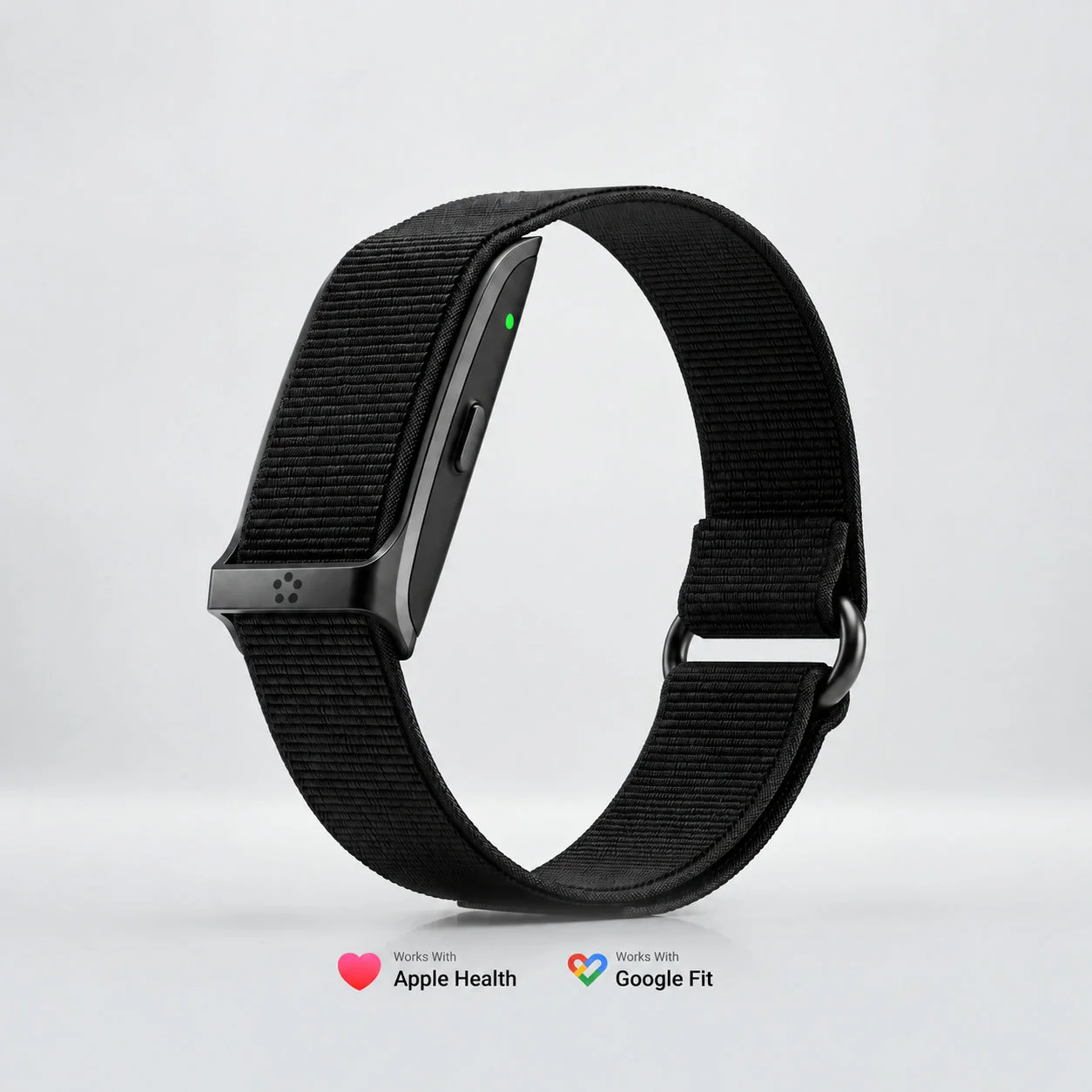
Omni Band 2.0 takes a different approach than most fitness trackers. Instead of trying to be a miniature smartwatch, it focuses heavily on health metrics. Its biggest strengths are continuous heart-rate tracking, HRV monitoring, sleep analysis, and recovery insights. The platform is designed to help users understand trends rather than simply dumping raw data into an app.
Pros
Excellent HRV monitoring
Strong sleep and recovery tracking
No smartwatch distractions
Long battery life
Cons
Fewer smartwatch-style features
Not ideal for users wanting apps and notifications
Check Now!
Fitbit Charge 6
[Image: Fitbit]
Price: Around $159.95
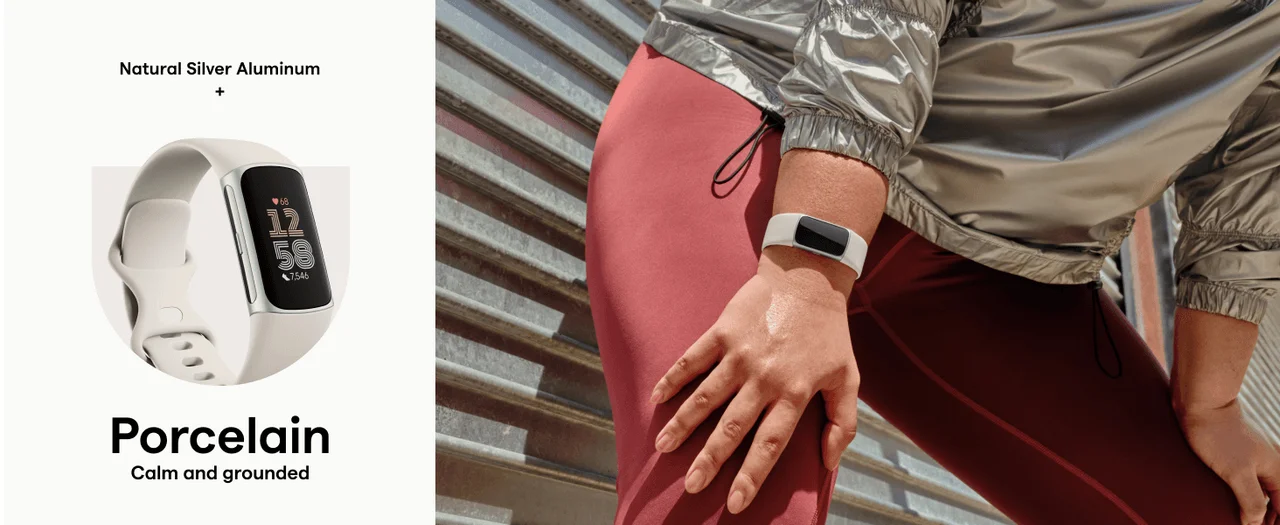
The Fitbit Charge 6 remains one of the most complete fitness trackers available. It offers reliable heart-rate monitoring, built-in GPS, ECG support, and one of the most mature health ecosystems in the industry. The challenge is that many of Fitbit's most useful insights are tied to Fitbit Premium, adding ongoing costs on top of the initial purchase.
Pros
Excellent sensor accuracy
Built-in GPS
ECG functionality
Mature software ecosystem
Cons
Expensive
Some features require subscription services
Check Now!
Xiaomi Smart Band 9
[Image: Xiaomi]
Price: Around $39.99–$49.99
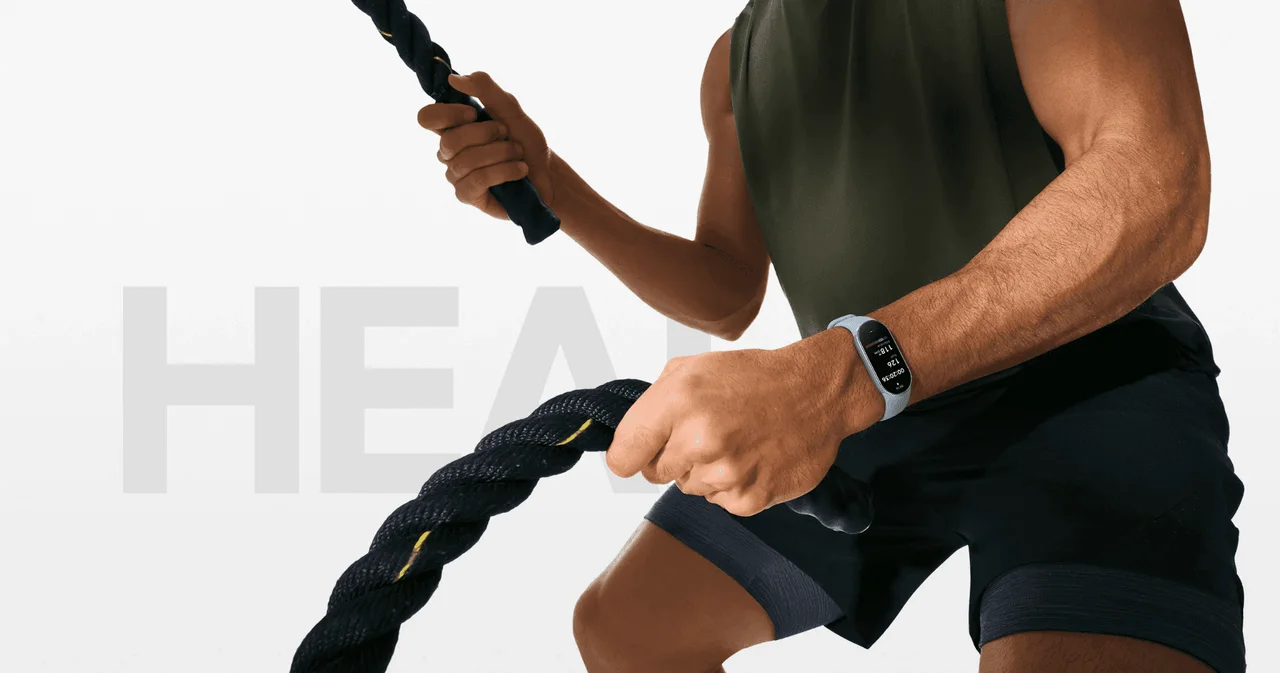
The Xiaomi Smart Band 9 proves that affordable fitness trackers have become surprisingly good. Heart-rate tracking is solid, sleep tracking is useful, and battery life is outstanding. For casual users looking to count steps, monitor workouts, and track sleep, it covers the basics remarkably well.
Pros
Incredible value
Excellent battery life
Lightweight and comfortable
Cons
Basic health insights
Less sophisticated analytics
Accuracy Matters More Than Features
One of the biggest myths in wearable tech is that more features automatically equal a better device.
In reality, most people use only a handful of metrics regularly:
Heart rate
Sleep tracking
Activity tracking
Recovery monitoring
If those measurements aren't accurate, extra features become little more than marketing bullet points.
This is where premium trackers usually justify their higher prices. Better sensors generally produce more consistent results, especially during workouts and sleep monitoring. And creating that kind of technology does require extensive development.
However, health-focused devices like Omni Band 2.0 narrow the gap significantly by concentrating on the metrics that matter most instead of trying to become a smartwatch.
Smartwatch Features vs Health Features
This is where many buyers choose the wrong device.
If you want notifications, contactless payments, app integrations, and smartwatch conveniences, premium options like the Fitbit Charge 6 make more sense.
But if your goal is understanding recovery, stress, cardiovascular performance, and sleep quality, spending extra on smartwatch features may not improve your health tracking experience at all.
The devices such as these are solving different problems.
The Xiaomi Smart Band 9 covers basic needs.
The Fitbit Charge 6 delivers the most complete feature set.
The Omni Band 2.0 focuses most directly on health optimization.
Which Fitness Tracker Offers the Best Value?
For pure value, the Xiaomi Smart Band 9 is hard to beat. It delivers more than enough functionality for beginners at a fraction of the cost.
For users who want the most features, GPS capabilities, and smartwatch conveniences, the Fitbit Charge 6 remains a strong premium choice.
For users who care primarily about heart health, recovery, HRV monitoring, sleep quality, and long-term wellness insights, Omni Band 2.0 offers the strongest balance between price and meaningful health data.
Check Now!
Verdict: Is the Price Gap Worth It?
The answer depends on what you're buying the tracker for.
If you only want step counting and basic workout tracking, premium fitness trackers are usually overkill. A budget option like the Xiaomi Smart Band 9 gets the job done surprisingly well.
If you want advanced health insights, recovery tracking, and data you can actually use to improve your wellness, spending more starts to make sense.
Our overall winner is Omni Band 2.0 because it focuses on the metrics that genuinely matter for long-term health rather than loading the device with smartwatch extras. It delivers premium-level health tracking without forcing users into a high-end smartwatch price bracket.
In the battle of budget vs premium fitness trackers, the sweet spot isn't necessarily the most expensive device, it's the one that provides the most useful data. Right now, Omni Band 2.0 strikes that balance better than most.